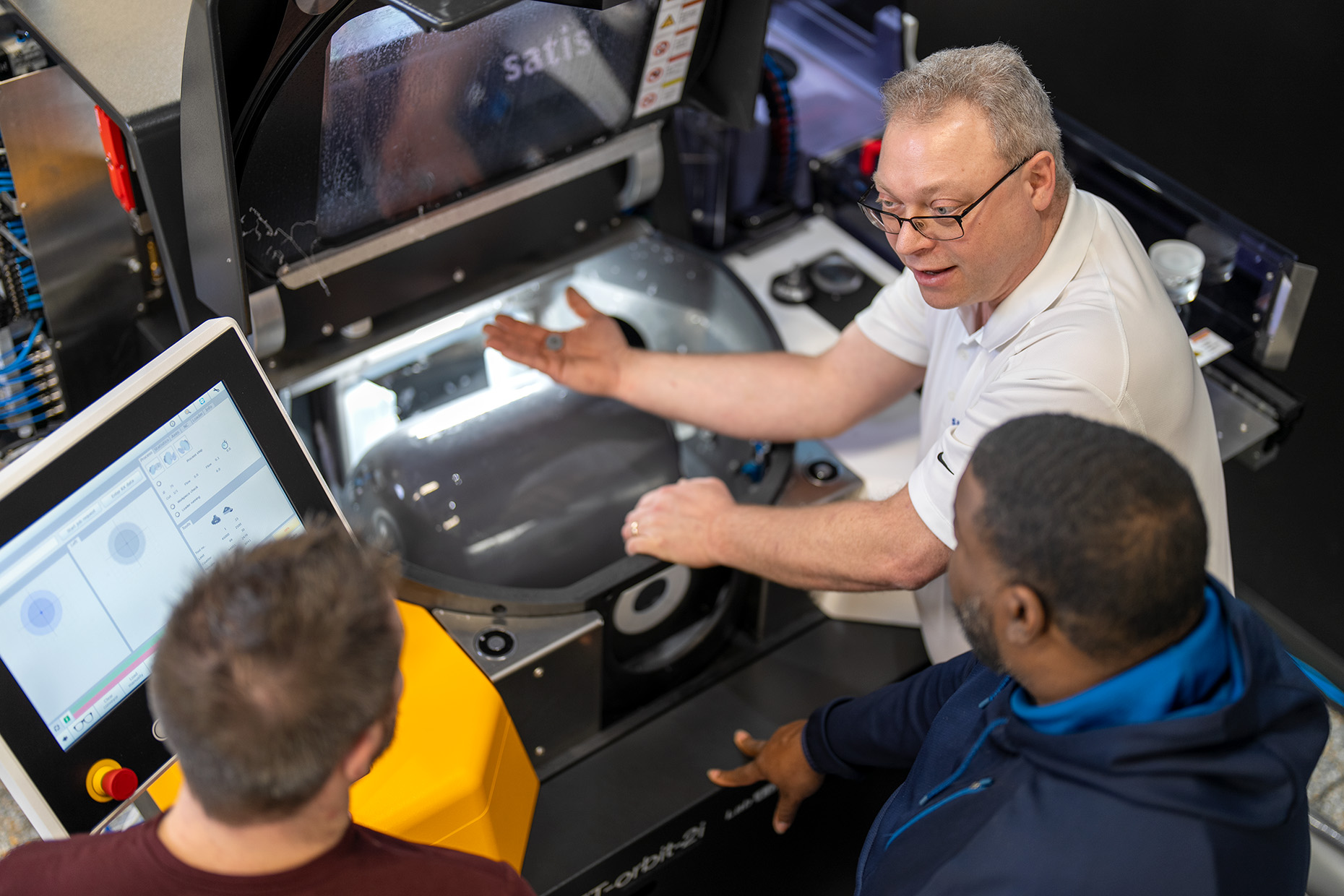
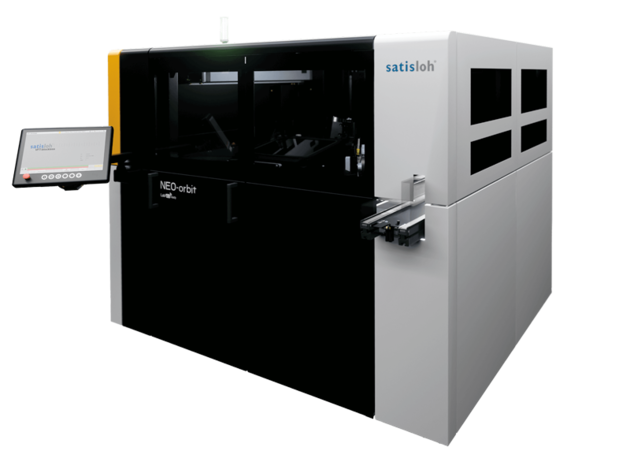
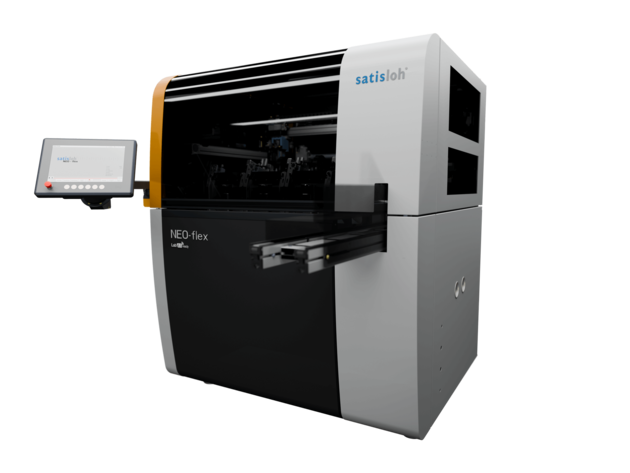
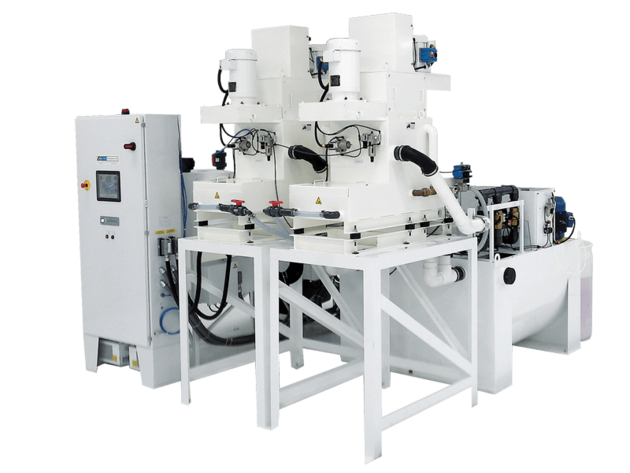
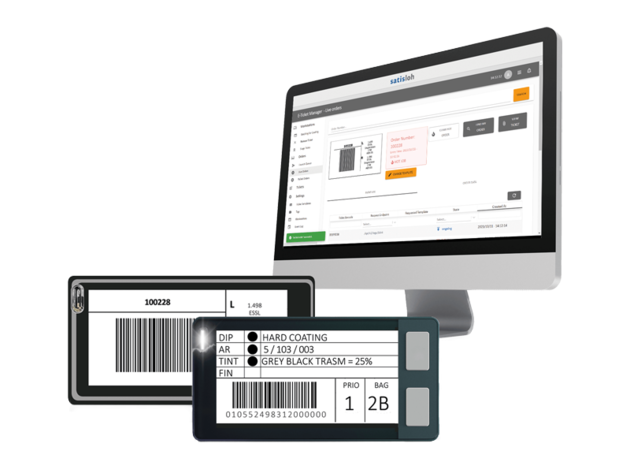
The NEO Blockless Surfacing Line is Satisloh’s industrial blockless surfacing line for ophthalmic and optical Rx labs. By combining NEO-orbit (blockless lens generator) and NEO-flex (blockless polisher) into a modular production line, it replaces traditional block-based surfacing lines with a faster, simpler, and more efficient process, without compromising lens quality, throughput, or compatibility.
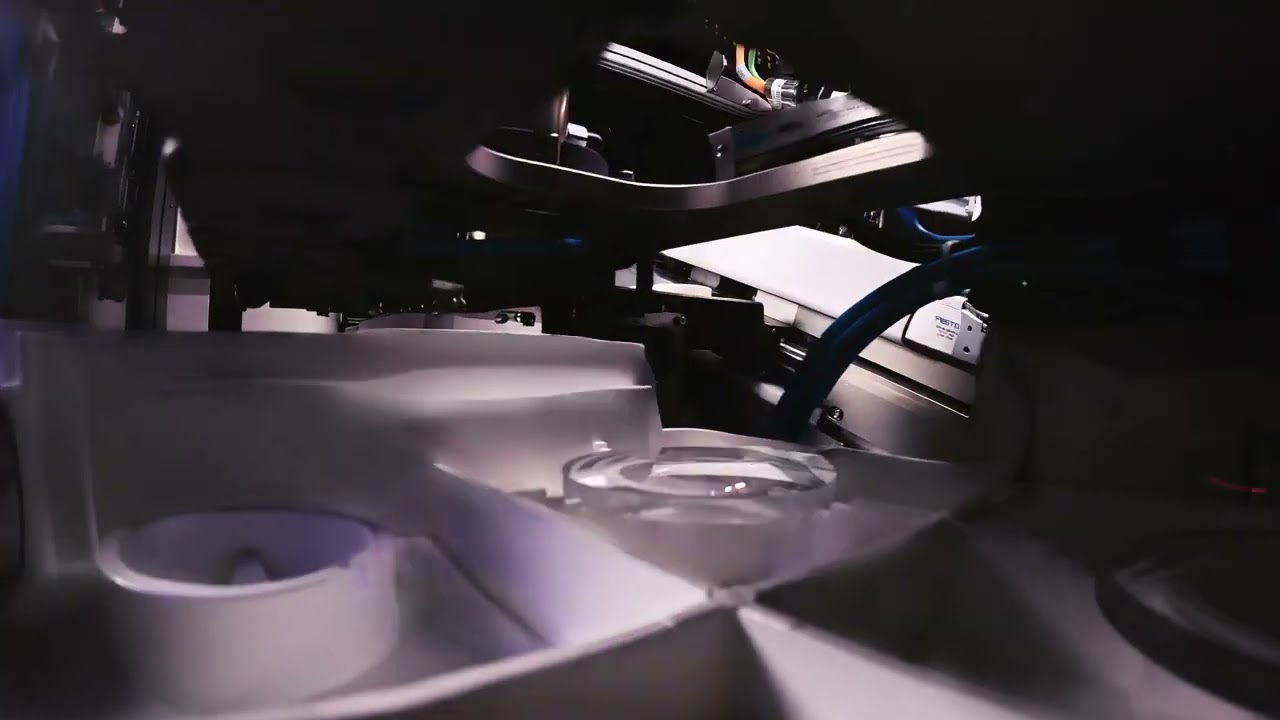

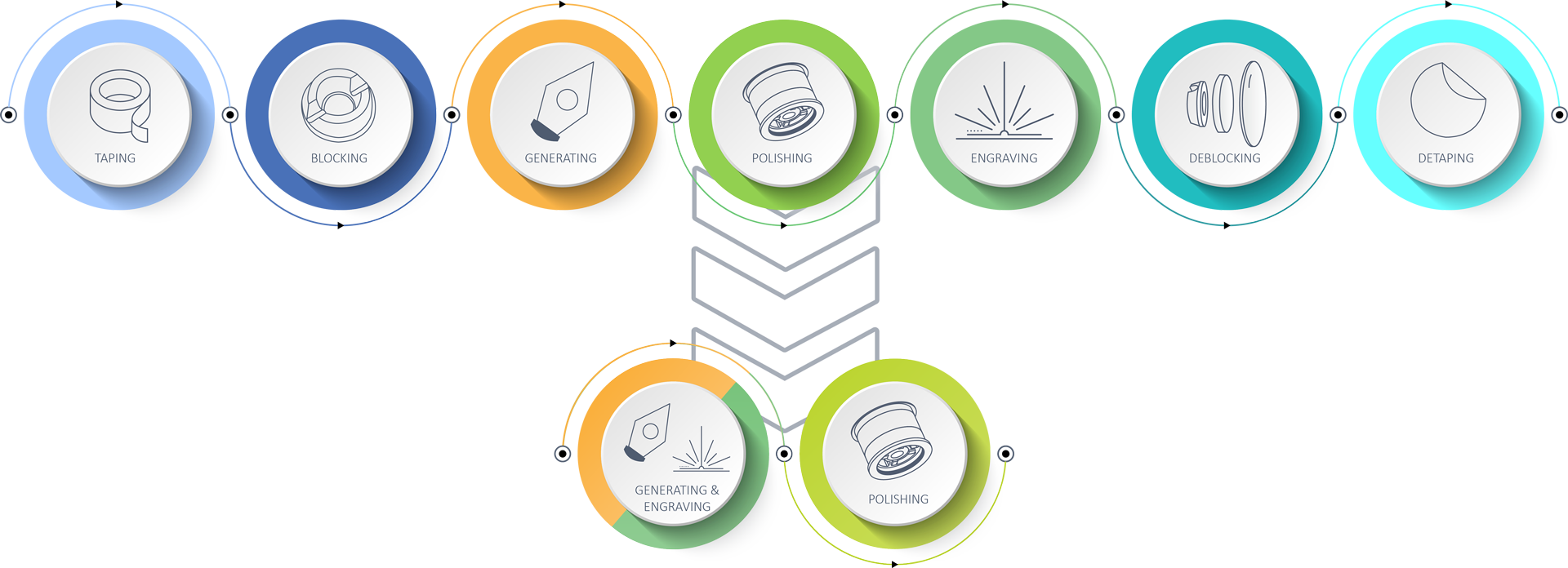
NEO-orbit and NEO-flex redefine the surfacing line as a streamlined, two-machine blockless system that eliminates all non-value-added process steps, including taping, blocking, cooling, deblocking, and detaping, along with their associated machines and consumables. The result is a simpler operation and significantly faster production flow.

Fewer process steps mean less handling, less waiting time, and significantly shorter cycle times, 7 minutes tray-in to tray-out with the NEO Blockless Surfacing Line versus 50+ minutes with traditional alloy-based surfacing.
The result:
Faster order turnaround, and greater responsiveness to customer demand.

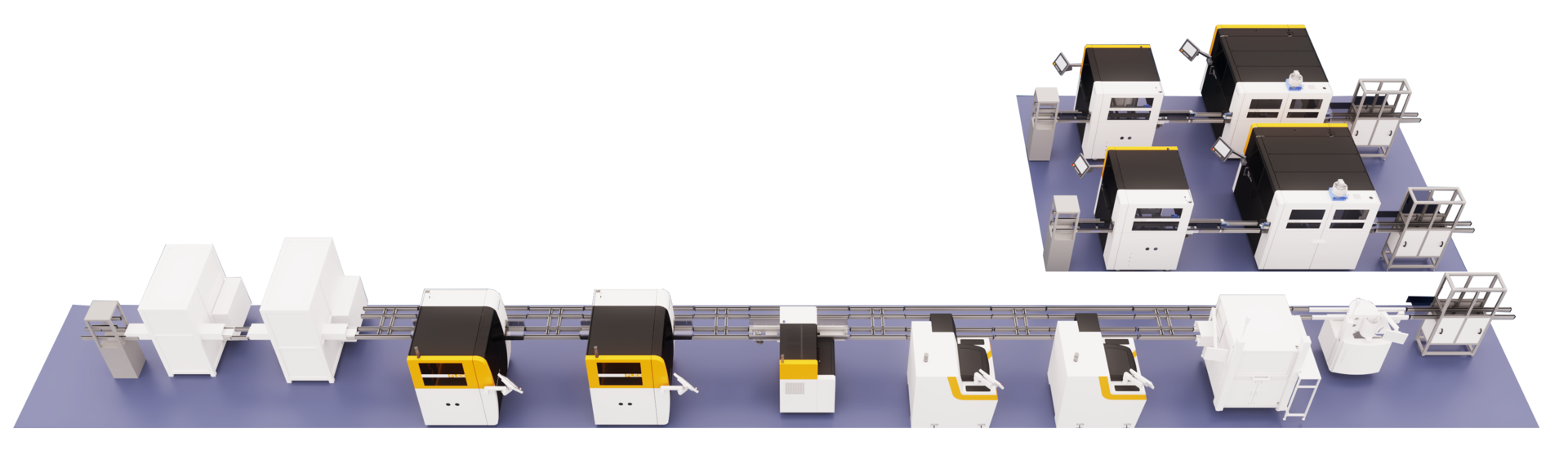
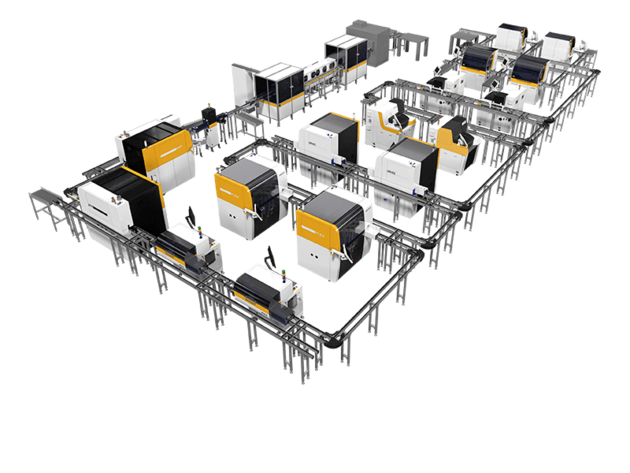
Traditional surfacing lines require valuable floor space with tapers and blockers, cooling stations, and deblocking and detaping equipment. With the NEO Blockless Surfacing Line, all of these process steps — and the machines that support them — are eliminated.
The NEO Blockless Surfacing Line requires as little as 56 m² / 603 f² to process 80 jobs per hour, compared to approximately 139 m² / 1496 f² for a traditional alloy-based surfacing line with similar output. That’s up to 60% less floor space, often freeing enough room to increase production capacity without moving walls or expanding the building.

By eliminating blocking, all consumable costs associated with block pieces, alloy, glue, wax, and taping are removed. Operating with two machines instead of seven also reduces labor requirements, as fewer operators are needed to supervise and manage the line.
Blockless processing further eliminates handling activities related to blocks, alloy, and tape, while maintaining fewer machines reduces calibration effort, micro-stops, and both periodic and reactive maintenance, resulting in lower operating costs and more predictable production.

Traditional surfacing lines require valuable floor space with tapers and blockers, cooling stations, and deblocking and detaping equipment. With the NEO Blockless Surfacing Line, all of these process steps — and the machines that support them — are eliminated.
The NEO Blockless Surfacing Line requires as little as 56 m² / 603 f² to process 80 jobs per hour, compared to approximately 139 m² / 1496 f² for a traditional alloy-based surfacing line with similar output. That’s up to 60% less floor space, often freeing enough room to increase production capacity without moving walls or expanding the building.

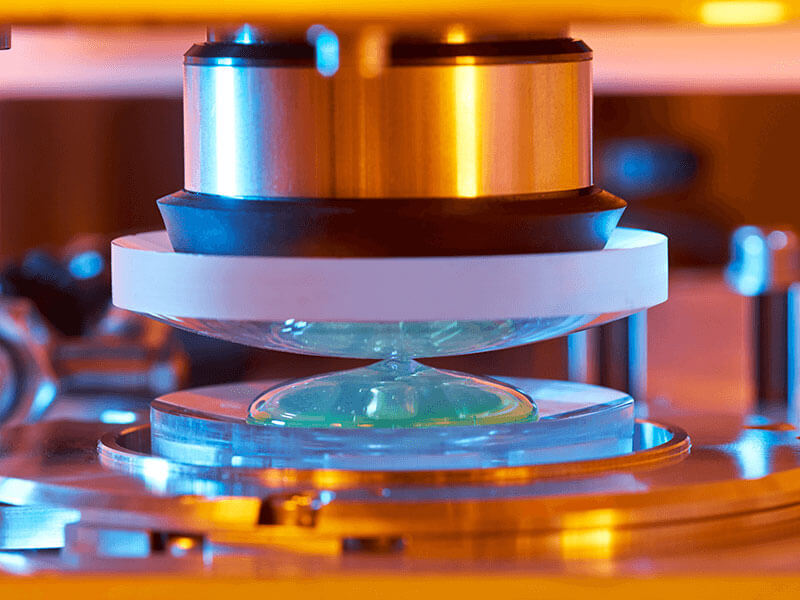
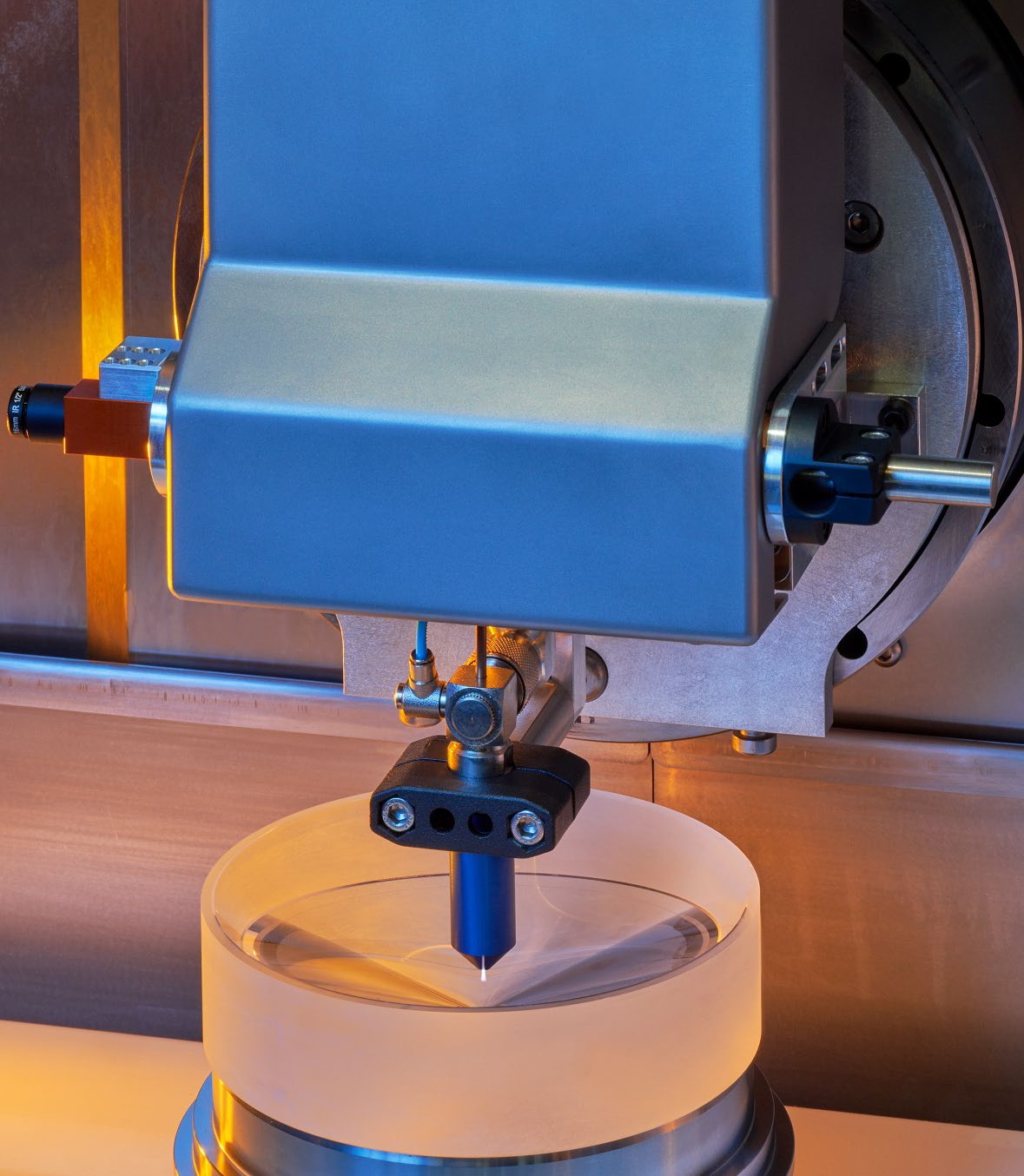
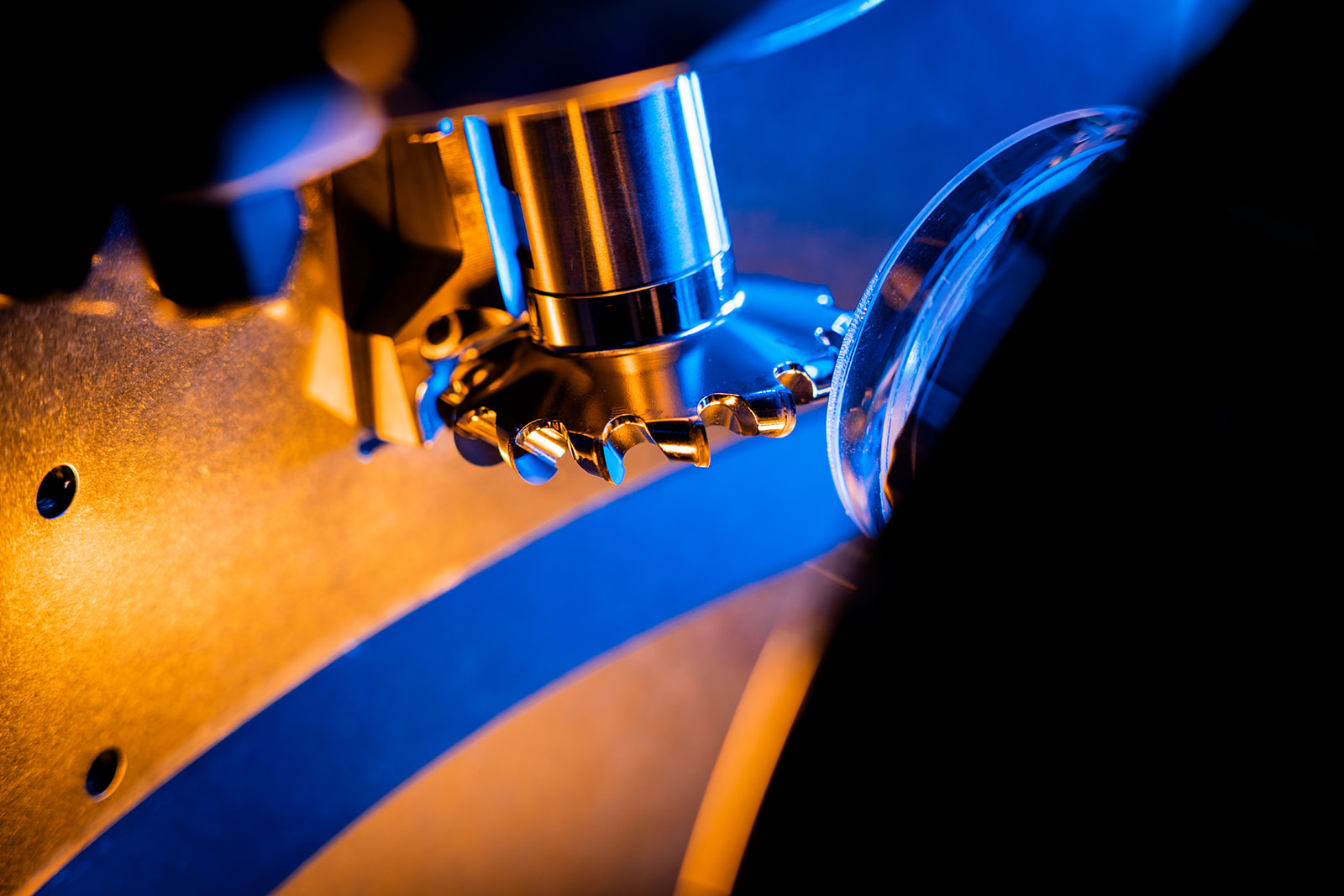
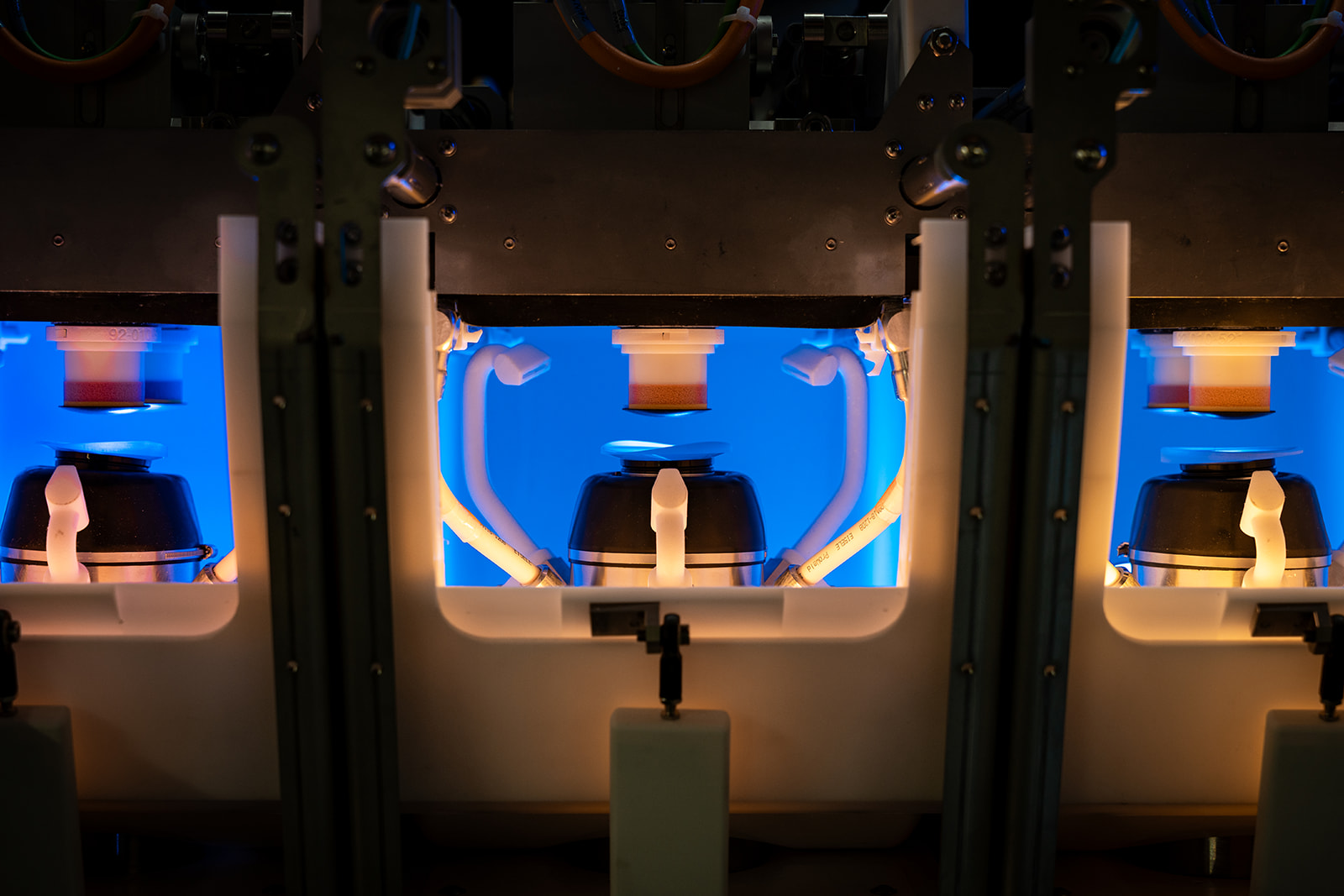
Satisloh’s patent-pending Pin Vacuum Lens Reception securely supports the lens without a block, enabling blockless processing of more than 99% of typical Rx lenses. The system handles front curves up to 15D, back curves up to 18D, prism up to 10D, rotational and non-rotational designs, the full 50 - 80 mm diameter range, and all organic lens materials — using the same proven surfacing processes and delivering the same lens quality as traditional blocked production.
| Productivity | Up to 80 lenses per hour |
| Front curve | Up to 15D, rotationally and non- rotationally symmetric front surfaces → Spheric and aspheric single vision, bifocals, trifocals, Front side & Back side progressive lenses |
| Back curve | Up to 18D |
| Prism | Up to 10° |
| Diameter | 50 mm - 80 mm / full support |
| Materials | All organic lens materials |
All technical data subject to change without notice. Verify details with Satisloh.